🌱 A Trip Through Time: The Long, Wild History of Weed 🌱
Cannabis didn’t just pop up in your favorite dispensary one day — it’s been traveling with humanity for thousands of years. Long before it became a hot topic in politics, medicine, and pop culture, weed was a sacred plant, a healing tool, and yes, even a crop of controversy. Let’s roll back through time and explore the roots (pun fully intended) of this iconic plant. 🌿
🔥 Ancient Beginnings (circa 2700 BCE)
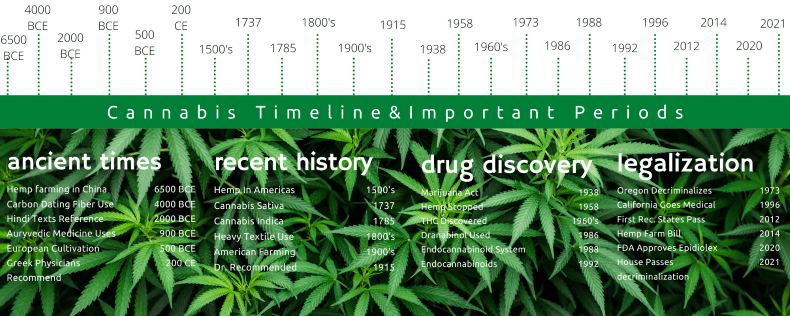
The earliest recorded use of cannabis comes from ancient China, where Emperor Shen Nung (aka the Father of Chinese Medicine) reportedly used cannabis tea to treat gout, rheumatism, malaria, and memory loss. The Chinese called it “ma” — and they didn’t just smoke it. They wove it into clothes, ate its seeds, and used it as medicine.
Meanwhile in India, cannabis was praised in the Atharva Veda (one of the oldest sacred Hindu texts), where it was listed as one of the five sacred plants. It was used in religious rituals and was even believed to be a favorite of the god Shiva. 🙏
🐪 Cannabis Spreads Across the World
By the 1st millennium BCE, cannabis had spread to the Middle East, Africa, and Europe via ancient trade routes. In Scythian and Persian cultures, people would burn it in enclosed tents and inhale the smoke — kind of like the original hotbox. 🔥💨
The plant also became a staple in Islamic medicine, even though alcohol was forbidden. Hashish (a concentrated form of cannabis) flourished in the Arab world as both a recreational and medicinal substance.
⚓ Colonialism and Hemp: The Industrial Side
By the 1500s and 1600s, hemp — cannabis’s non-psychoactive cousin — became a cash crop in Europe and the American colonies. Governments literally required farmers to grow it for rope, sails, and textiles. Even George Washington grew hemp at Mount Vernon. 🇺🇸
But here’s the twist: while hemp thrived, the “intoxicating” side of cannabis still flew under the radar in the West… for now.
🚫 Reefer Madness & Racism (1900s)
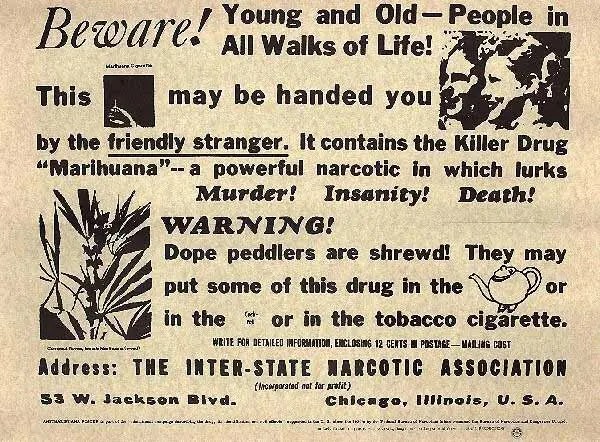
By the early 1900s, cannabis started being linked to Mexican immigrants and Black jazz musicians in the U.S. Anti-weed propaganda exploded — fueled by racism and fear. The 1936 film Reefer Madness warned Americans that weed would make you insane, murderous, or worse… a jazz lover. 🎷😱
Then came the Marihuana Tax Act of 1937, which effectively criminalized cannabis in the U.S. This marked the beginning of decades of prohibition, arrests, and harsh sentencing laws — all disproportionately impacting communities of color.
🧪 The Medical Awakening (1960s–1990s)
Despite the war on drugs, science started catching up with what ancient cultures already knew: cannabis has powerful healing properties. In the 1960s, Israeli scientist Raphael Mechoulam isolated THC and CBD, the plant’s active compounds.
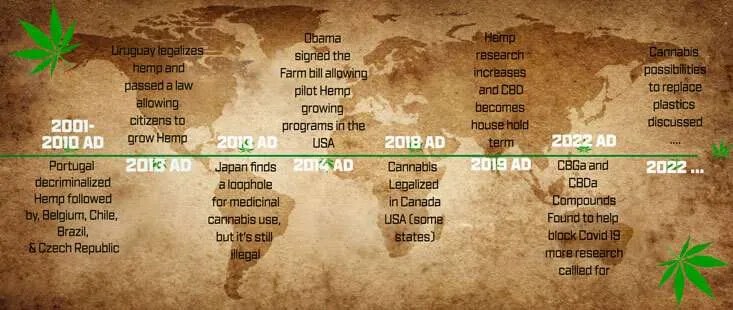
In the 1990s, California became the first U.S. state to legalize medical marijuana. Patients with cancer, AIDS, and chronic pain found relief — and the stigma began to crack.
Weed in the 21st Century: Legalization & Liberation
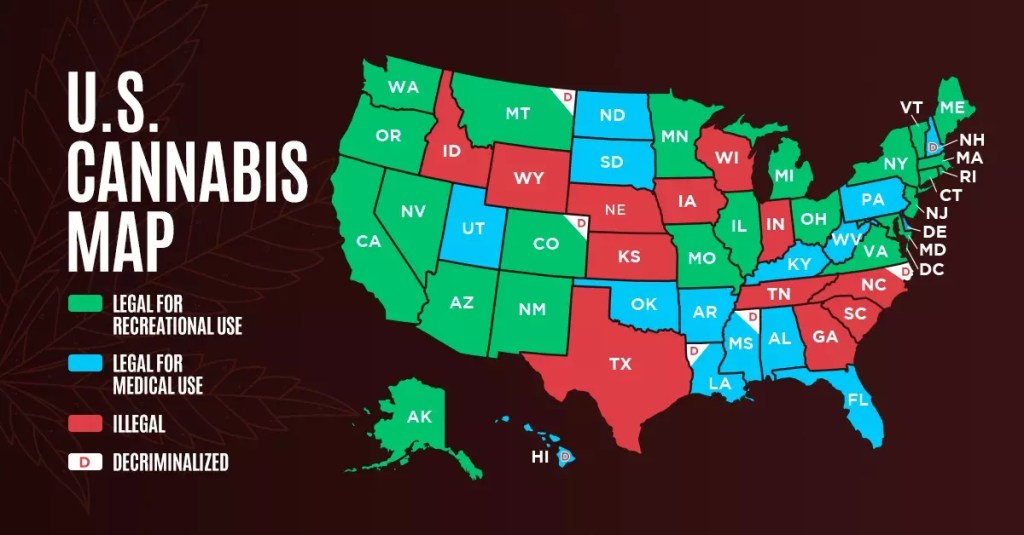
Fast-forward to today: cannabis is legal for medical use in over 30 U.S. states and recreational use in many others — plus Canada, Uruguay, South Africa, and more. 🌍
People aren’t just smoking it. They’re eating it, drinking it, rubbing it on sore muscles, and microdosing it for anxiety. Research is booming, entrepreneurs are innovating, and old laws are being challenged — although there’s still a long way to go in terms of social justice and expungement.
🌿 The Bottom Line: A Plant with a Past — and a Future
Weed has been here longer than most civilizations, riding shotgun through human history. From healing ancient kings to calming modern-day anxiety, from religious rituals to Reddit threads — cannabis isn’t just a trend. It’s a tradition.
So next time you light up, eat an edible, or just admire a plant in the wild, remember: you’re taking part in a very old story.
💚🔥🌿
 The Green Amendment
Leave a comment